
Future-Proofing Industrial Decarbonization: How Maglev Turbo Blowers Accelerate Corporate Scope 2 Em
Post time: 2026-09-14 14:23:56
As global regulatory bodies, corporate boards, and municipal governments tighten environmental compliance frameworks, industrial decarbonization has transitioned from an optional corporate social responsibility initiative into an urgent operational mandate. For heavy industrial manufacturers, chemical processors, and municipal wastewater utility directors, the path to net-zero carbon operations requires a rigorous audit of major power consumers. Among all plant systems, continuous-duty air delivery equipment—specifically biological aeration basins and pneumatic transport lines—frequently accounts for the largest share of indirect greenhouse gas emissions.
When facility engineering teams set out to construct credible carbon reduction roadmaps, legacy multi-stage centrifugal and positive displacement blowers immediately emerge as primary targets for replacement. By examining how advanced energy-efficient machinery transforms corporate sustainability ledgers, plant leaders can see why upgrading to high-performance maglev turbo blowers is an essential strategy for long-term environmental and financial resilience.
The Scope 2 Challenge: Why Industrial Aeration Rooms are Prime Targets for Decarbonization
In corporate carbon accounting, Scope 2 emissions encompass the indirect greenhouse gas emissions associated with the generation of purchased electricity consumed by a facility. Because wastewater aeration blowers and industrial pneumatic transport systems operate twenty-four hours a day, year-round, their cumulative electrical draw generates substantial carbon footprints.
The Trap of Inefficient Legacy Equipment: Traditional positive displacement Roots blowers and aging centrifugal machines suffer from internal mechanical friction, aerodynamic throttling losses, and steady performance degradation. Running high-wattage motors against constant internal drag forces facilities to pull excessive electricity from the regional grid, driving up Scope 2 totals.
The Escalating Cost of Carbon Penalties: As regional governments implement carbon pricing, emissions trading schemes, and strict energy efficiency quotas, high-polluting industrial assets expose plant operators to escalating financial penalties and regulatory scrutiny.
The Urgency of Transparent ESG Reporting: Institutional investors and municipal stakeholders increasingly demand verifiable data regarding resource conservation. Upgrading high-load utility equipment provides measurable, auditable kilowatt-hour reductions that strengthen corporate sustainability disclosures.
Quantifying Carbon Reductions: Translating Kilowatt-Hour Savings into Verified ESG Metrics
Achieving meaningful decarbonization requires technologies that deliver massive energy reductions without compromising process reliability or throughput capacity.
Eliminating Parasitic Energy Waste: By pairing high-speed permanent magnet synchronous motors with optimized 3D-contoured impellers and high-frequency variable frequency drives, maglev turbo blowers eliminate mechanical transmission losses. Field data across municipal upgrades demonstrates consistent electrical consumption cuts of 30% to 40%.
Direct Calculation of Carbon Abatement: Every kilowatt-hour saved directly reduces the burning of fossil fuels at regional power generation plants. For a medium-sized industrial facility operating heavy aeration lines, cutting electrical draw by hundreds of thousands of kilowatt-hours annually translates directly into hundreds of tons of avoided carbon dioxide emissions each year.
Streamlining Carbon Credit and Offset Verification: Because energy savings delivered by direct-drive maglev technology are continuous, measurable, and easily verified through digital power meters, facility managers can seamlessly integrate these operational improvements into official carbon reduction audits and ESG certification filings.
Future-Proofing Utility Assets Against Escalating Environmental Tariffs
Investing in sustainable industrial machinery is not merely about meeting today's emission caps; it is about shielding facility operations from future regulatory shocks and resource scarcity.
Anticipating Stringent Environmental Mandates: Environmental standards for municipal water treatment and industrial effluent discharge are becoming increasingly strict. Modernizing equipment with clean, oil-free technology ensures that facilities stay well ahead of regulatory compliance curves for decades to come.
Eliminating Environmental Contamination Risks: Unlike traditional oil-lubricated blowers that carry the permanent hazard of hydrocarbon migration into process air streams, active magnetic levitation provides absolute Class 0 zero-oil compliance. This protects sensitive biological treatment ecosystems and eliminates chemical waste disposal liabilities.
Building Long-Term Operational Resilience: By removing mechanical wear components such as gears, belts, and sliding bearings, maglev turbo blowers provide robust, unattended operation that protects plant infrastructure from unexpected environmental compliance failures caused by equipment breakdowns.
Frequently Asked Questions on Decarbonization and Blower Upgrades
1. How do energy-efficient blower upgrades factor into corporate Scope 2 emission inventories?
Because Scope 2 emissions are calculated directly from total grid electricity consumption, verifiable kilowatt-hour reductions achieved by switching to high-efficiency maglev turbo blowers result in an immediate, proportional drop in the facility's reported indirect carbon footprint.
2. Can maglev blower energy savings be used to secure green financing or grants?
Yes. Many municipal authorities, regional development banks, and national energy agencies offer specialized grants, low-interest green loans, or subsidy programs for industrial facilities that execute verified energy efficiency retrofits.
3. Do plant operators need specialized carbon accounting software to track blower sustainability metrics?
No. While advanced facility management teams may utilize comprehensive ESG tracking software, basic energy savings can be easily verified using standard digital power meter logs, VFD frequency telemetry, and manufacturer-provided performance verification data.
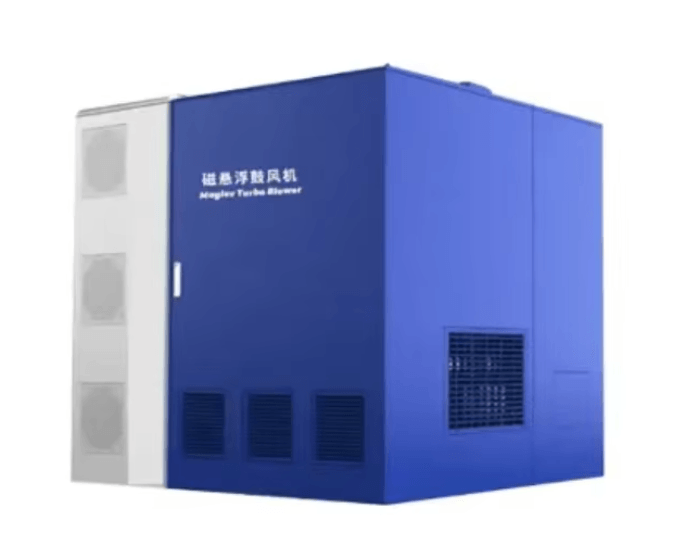
Maglev Turbo Blowers Product Information
Web: http://www.greentechblower.com (Group Web) ‖ http://www.zqblower.cn (Chinese) ‖ http://www.ringblower.cn/ (Ring blower) ‖ http://www.china-blower.com (Roots Blower) ‖ https://www.zibovacuumpump.com (Vacuum Pump)