
Analysis of the Application Prospects of Air Suspension Centrifugal Blowers in the Wastewater Treatm
Post time: 2026-10-23 11:08:34
1. Industry Development and Equipment Demand in Wastewater Treatment
With increasingly stringent environmental protection policies, higher wastewater discharge standards, and the expansion of urban wastewater treatment facilities, the industry has growing demands for efficient, energy-saving, and reliable aeration equipment. As a key component of biological wastewater treatment, the aeration system directly affects treatment performance and overall operating costs.
Although traditional Roots blowers and conventional centrifugal blowers are widely used, they have certain limitations in energy consumption, noise levels, and maintenance costs. Driven by energy conservation and smart water management, air suspension centrifugal blowers are becoming an important option for upgrading wastewater treatment equipment thanks to their energy efficiency, low noise, and intelligent control capabilities.
2. Technical Advantages of Air Suspension Centrifugal Blowers
2.1 High Energy Efficiency and Lower Operating Costs
Air suspension centrifugal blowers typically integrate high-speed permanent magnet motors, air suspension bearings, and high-efficiency impellers. These technologies reduce friction losses associated with conventional mechanical bearings and help achieve high operating efficiency. With variable-frequency control, the blower can adjust airflow and pressure according to actual oxygen demand, reducing unnecessary energy consumption.
Since aeration systems generally operate continuously for extended periods, blower energy consumption accounts for a significant portion of wastewater treatment plant operating costs. High-efficiency equipment can therefore help reduce electricity expenses and improve economic performance.
2.2 Compact Design and Easier Maintenance
Air suspension centrifugal blowers generally feature a compact structure, a high degree of integration, and rapid response during startup and operation. They are suitable for both newly constructed wastewater treatment plants and the renovation of existing facilities. Their air suspension bearings do not require conventional lubrication systems, reducing lubrication-related maintenance and the risk of oil contamination.
However, regular inspections of filtration systems, cooling systems, electrical components, and operating parameters remain necessary to ensure long-term reliability.
2.3 Intelligent Control and Improved Operational Stability
With advances in automation technology, air suspension centrifugal blowers can adjust their operation based on parameters such as pressure, airflow, and dissolved oxygen. They can also be integrated into wastewater treatment plant automation systems. These capabilities support demand-based aeration, improve aeration uniformity, and enhance operational management.
3. Application Prospects in Wastewater Treatment
3.1 Energy-Saving Upgrades at Municipal Wastewater Treatment Plants
Municipal wastewater treatment plants are important potential users of air suspension centrifugal blowers because they require long operating hours, continuous aeration, and substantial energy consumption. After technical assessment, replacing conventional high-energy-consumption blowers may reduce aeration system energy use and support the transition toward greener, lower-carbon wastewater treatment.
3.2 Expanding Applications in Industrial Wastewater Treatment
Biological treatment processes in industries such as chemicals, food processing, pharmaceuticals, and papermaking often require continuous oxygen supply. Air suspension centrifugal blowers can provide the airflow and pressure required by these processes. However, industrial wastewater characteristics, treatment loads, and operating environments vary, so equipment selection must be based on specific operating conditions.
3.3 Supporting Smart Water Management and Low-Carbon Development
The wastewater treatment industry is moving toward digitalization, intelligent operation, and lower carbon emissions. When integrated with the Internet of Things, intelligent control, and energy monitoring systems, air suspension centrifugal blowers can support operational monitoring, fault warnings, and energy efficiency analysis, helping treatment plants optimize their operations.
4. Challenges Facing Industry Development
Despite their promising application potential, air suspension centrifugal blowers face several challenges, including relatively high initial investment, demanding technical service requirements, and the need to adapt to complex operating conditions. Smaller wastewater treatment plants should consider not only equipment purchase prices but also actual energy savings, maintenance expenses, service life, and investment payback periods.
In addition, products from different manufacturers may vary in performance, control systems, and after-sales service. Users should conduct comprehensive technical and economic evaluations based on design airflow, operating pressure, load variation, and backup equipment requirements.
5. Conclusion
Overall, stricter environmental standards, energy-saving upgrades, and the development of smart water management are creating favorable prospects for air suspension centrifugal blowers in the wastewater treatment industry. As core technologies continue to improve, product reliability increases, and life-cycle costs become more competitive, their applications are expected to expand. Wastewater treatment operators should select equipment according to actual operating conditions and optimize operational management to achieve both environmental and economic benefits.
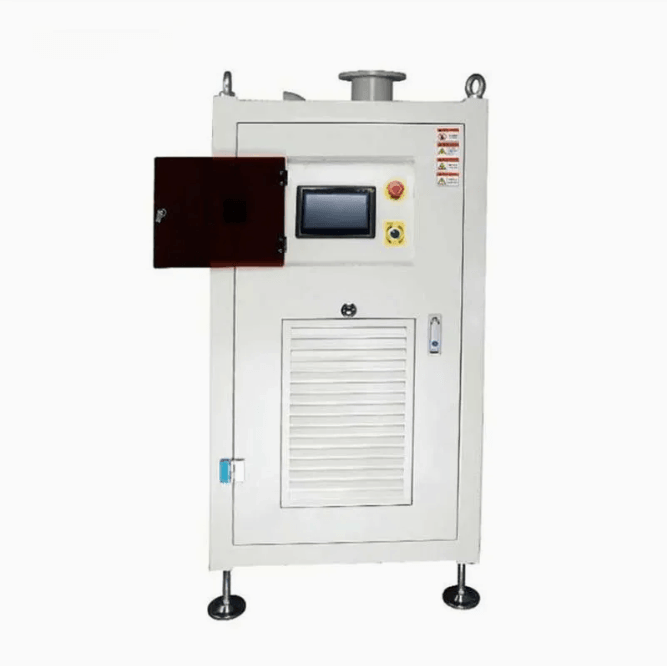
Air Suspension Blowers Product Information
Web: http://www.greentechblower.com (Group Web) ‖ http://www.zqblower.cn (Chinese) ‖ http://www.ringblower.cn/ (Ring blower) ‖ http://www.china-blower.com (Roots Blower) ‖ https://www.zibovacuumpump.com (Vacuum Pump)