
Installation and Operation Precautions for NSRH Series Roots Blowers
Post time: 2026-09-18 13:56:48
NSRH Series Roots blowers are commonly used positive displacement blowers, widely applied in wastewater treatment, pneumatic conveying, industrial aeration, powder conveying, and other applications. To ensure stable operation, extend service life, and reduce the risk of equipment failure, users should follow the technical requirements during installation, commissioning, operation, and routine maintenance. This article introduces the key precautions for NSRH Series Roots blowers, covering installation preparation, equipment installation, commissioning, operation, and maintenance.
1. Preparations Before Installing the NSRH Series Roots Blower
1.1 Inspect the Equipment and Accessories
After receiving the blower, inspect the equipment appearance, main unit, accessories, and spare parts to ensure that there is no obvious damage caused during transportation. Check the model, specifications, rotation direction, and technical parameters to ensure that the equipment matches the actual operating requirements.
The motor, coupling, base, safety valve, check valve, pressure gauge, and other components should also be inspected to ensure that all accessories are complete and properly matched.
1.2 Select a Suitable Installation Environment
The NSRH Series Roots blower should be installed in a well-ventilated, dry, and clean area. Long-term exposure to high temperatures, moisture, excessive dust, or corrosive gases should be avoided. Sufficient space should be reserved for operation, inspection, and future maintenance.
The installation foundation should have adequate load-bearing capacity to withstand the weight of the equipment and the vibration generated during operation.
2. Installation Precautions for NSRH Series Roots Blowers
2.1 Ensure a Secure Foundation and Connections
The foundation should be constructed according to the equipment foundation drawing, with dimensions, elevation, and load-bearing capacity meeting the specified requirements. The blower base must be securely installed, and the anchor bolts must be properly tightened to prevent loosening or excessive vibration during operation.
After installation, check the level of the blower and ensure that the main unit, motor, and base are securely connected.
2.2 Install the Inlet and Outlet Piping Correctly
The inlet and outlet pipelines should be designed and installed smoothly, with unnecessary elbows and abrupt changes in diameter minimized to reduce flow resistance. The inside of the pipelines should be kept clean to prevent welding slag, debris, or other foreign matter from entering the blower.
According to system requirements, the discharge pipeline is generally equipped with components such as a check valve, safety valve, and pressure gauge. The weight of the pipeline should not be directly transferred to the blower inlet or outlet, as this may cause deformation or excessive stress at the connections.
2.3 Check Electrical Connections and Rotation Direction
Motor wiring should be performed by qualified personnel in accordance with electrical standards and the equipment manual. Before starting the blower, check the power supply voltage, grounding, protection devices, and control circuits.
During a brief jog test, confirm that the blower rotates in the specified direction. If the rotation direction is incorrect, stop the equipment immediately and check the motor wiring to prevent damage caused by reverse operation.
3. Commissioning and Operating Requirements
3.1 Perform a Comprehensive Pre-Start Inspection
Before the first startup or restarting after a long period of shutdown, check the lubricating oil level, belts or coupling, fasteners, and inlet and outlet pipelines. Make sure that the valves are positioned correctly and avoid starting the blower when the discharge pipeline is completely closed.
Safety valves, pressure gauges, and other protective devices should also be checked to ensure safe operating conditions.
3.2 Monitor Pressure, Temperature, and Vibration
During operation, regularly monitor discharge pressure, motor current, bearing temperature, lubricating oil temperature, and equipment vibration. If abnormal pressure increases, continuously rising temperature, unusual noise, or excessive vibration occurs, investigate the cause and stop the blower for inspection when necessary.
As a positive displacement machine, the Roots blower must not operate above the specified allowable pressure. The system pressure must never be increased by simply closing the discharge valve.
3.3 Avoid Frequent Start-Stop Cycles and Overloading
The operating schedule should be arranged reasonably to avoid frequent starts and stops. Long-term overload operation can increase the load on the motor, lubrication system, and mechanical components, potentially reducing equipment service life.
For systems with significant fluctuations in air demand, appropriate control methods should be adopted according to actual operating conditions to prevent prolonged operation under inefficient conditions.
4. Maintenance of NSRH Series Roots Blowers
4.1 Regularly Inspect the Lubrication System
Check the lubricating oil level, oil condition, and leakage according to the equipment manual, and replace the oil at the specified intervals. Insufficient, deteriorated, or unsuitable lubricating oil may affect the proper operation of gears and bearings.
4.2 Keep the Air Intake System Clean
The inlet air filter should be inspected and cleaned regularly to prevent dust and impurities from entering the blower. A clogged filter increases inlet resistance, affects blower performance, and may cause the operating temperature to rise.
4.3 Keep Operating Records
It is recommended to maintain equipment operating records, including pressure, air flow, current, temperature, vibration, and maintenance information. Comparing historical data can help identify changes in equipment performance and provide useful information for preventive maintenance.
5. Conclusion
Stable operation of an NSRH Series Roots blower depends on proper installation, correct operation, and regular maintenance. During installation, special attention should be paid to the foundation, pipelines, and electrical connections. During operation, the working pressure must be controlled within the specified range, while changes in temperature, vibration, and noise should be monitored. Lubrication and filtration systems should also be maintained according to the recommended procedures.
By following proper installation and operating practices, users can fully utilize the performance of NSRH Series Roots blowers, reduce the risk of operating failures, and provide a stable and reliable air supply for applications such as industrial production and wastewater treatment.
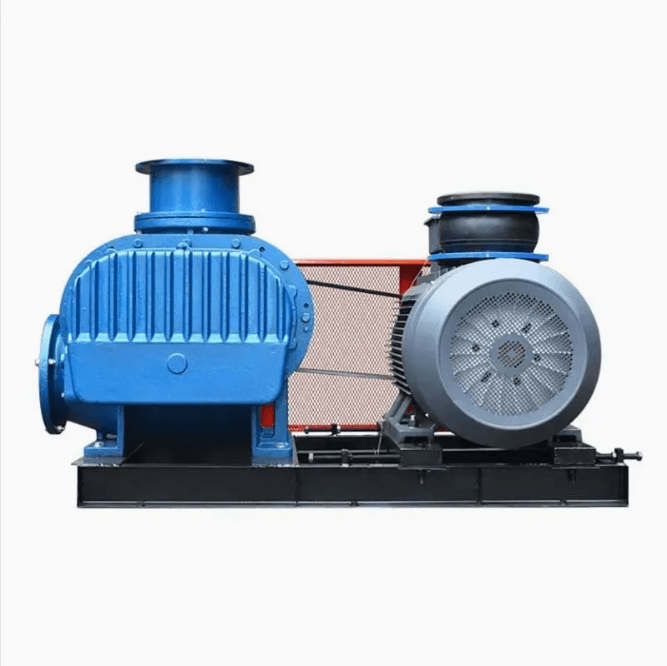
Roots Blower Product Information
Web: http://www.greentechblower.com (Group Web) ‖ http://www.zqblower.cn (Chinese) ‖ http://www.ringblower.cn/ (Ring blower) ‖ http://www.china-blower.com (Roots Blower) ‖ https://www.zibovacuumpump.com (Vacuum Pump)