
Selection and Installation Guidelines for NSRH Series Roots Blower Filters
Post time: 2026-11-02 13:17:55
NSRH series Roots blowers are widely used in wastewater treatment, aquaculture, pneumatic conveying, cement and building materials, and industrial air supply applications. During operation, the air filter plays an important role in removing dust, particles, and other impurities from the intake air. This helps prevent foreign matter from entering the blower, reduces impeller wear, and ensures stable equipment operation.
Therefore, proper filter selection and installation are essential for extending the service life of NSRH series Roots blowers and improving their operating efficiency.
1. Key Points for Selecting NSRH Series Roots Blower Filters
1.1 Select the Filter Size According to Blower Airflow
The filter specifications should match the actual intake airflow requirements of the NSRH series Roots blower. If the filter is undersized, intake resistance may increase, affecting normal air intake and potentially resulting in reduced airflow and higher energy consumption.
During selection, refer to the blower nameplate specifications and actual operating conditions to determine the appropriate filtration area and airflow capacity.
1.2 Select the Filtration Efficiency According to the Operating Environment
Different operating environments have different filtration requirements. For example, industrial facilities such as cement plants and mines with high dust concentrations require filters with stronger dust-holding capacity and filtration performance. In relatively clean environments, an appropriate filtration grade can be selected according to actual requirements.
It is important to note that higher filtration efficiency is not always better. Filtration efficiency, intake resistance, and maintenance costs should be considered together to avoid excessive resistance affecting blower performance.
1.3 Choose Suitable Filter Materials
Common filter element materials include filter paper, nonwoven fabrics, and other synthetic fibers. During selection, consider the dust characteristics, humidity, and temperature of the operating environment. Choose products with good filtration performance, stable structures, and convenient replacement.
2. Installation Guidelines for NSRH Series Roots Blower Filters
2.1 Choose an Appropriate Installation Location
The filter is generally installed in the Roots blower's intake pipeline, preferably close to the blower inlet. Sufficient space should be reserved for inspection and filter replacement.
The installation location should be well-ventilated and dry, preventing rainwater, oil, and other contaminants from entering the filter.
2.2 Ensure Reliable Sealing at Connections
During installation, inspect the connecting flanges, sealing gaskets, and fastening bolts to ensure that all connection points are properly sealed. This prevents unfiltered air from entering the blower through gaps.
The intake pipeline should also remain unobstructed. Avoid pipe bending, compression, and other conditions that may increase intake resistance.
2.3 Pay Attention to the Filter Installation Direction
Some filters have clearly marked air inlet and outlet directions. Before installation, carefully check the product labels and instructions, and connect the filter according to the specified airflow direction to avoid reducing filtration efficiency due to incorrect installation.
3. Routine Filter Maintenance and Inspection
3.1 Clean or Replace Filter Elements Regularly
Dust gradually accumulates inside filters during long-term operation, increasing filtration resistance. Users should inspect filter elements regularly according to the operating environment and equipment usage, and clean or replace them when necessary.
3.2 Monitor Intake Pressure and Blower Operating Conditions
During daily operation, monitor the blower's intake pressure, operating current, temperature, and airflow. If intake resistance increases significantly, airflow decreases, or abnormal operating conditions occur, inspect the filter for possible blockage.
3.3 Avoid Using Unqualified Filter Elements
When replacing filter elements, select products with compatible specifications and reliable quality. Avoid using filters with poor filtration performance or unsuitable dimensions, as they may affect the safe operation of the blower.
4. Conclusion
The selection and installation of filters for NSRH series Roots blowers directly affect intake air quality and equipment operating efficiency.
When selecting filters, users should focus on blower airflow, filtration efficiency, and operating conditions. During installation, attention should be paid to installation location, connection sealing, and airflow direction.
Regular filter inspection and replacement can effectively reduce dust entering the blower, minimize equipment wear, and ensure the long-term stable operation of Roots blowers.
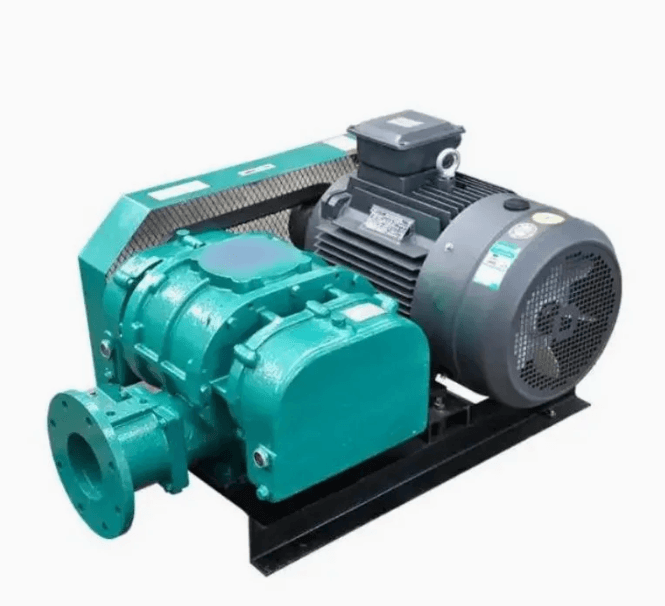
Roots Blower Product Information
Web: http://www.greentechblower.com (Group Web) ‖ http://www.zqblower.cn (Chinese) ‖ http://www.ringblower.cn/ (Ring blower) ‖ http://www.china-blower.com (Roots Blower) ‖ https://www.zibovacuumpump.com (Vacuum Pump)