
Precision Oxygen Delivery: Optimizing Biological Nutrient Removal (BNR) Processes with Maglev Turbo
Post time: 2026-09-15 14:10:55
For municipal wastewater treatment plant operators and environmental process engineers, meeting stringent effluent discharge limits for nitrogen and phosphorus requires more than simply keeping aeration basins oxygenated. Modern biological nutrient removal (BNR) systems rely on highly complex, alternating aerobic, anoxic, and anaerobic zones. Maintaining exact dissolved oxygen (DO) concentrations across these fluctuating zones is critical to fostering the specific microbial communities responsible for nitrification and denitrification.
When legacy multi-stage centrifugal or positive displacement blowers are deployed in advanced BNR facilities, their rigid operating parameters and narrow turndown capabilities often hinder process optimization. Drawing from extensive field engineering experience in municipal wastewater retrofits, our technical teams know that achieving true biological stability demands a fluid delivery system capable of micro-adjustments in air mass flow. By integrating high-efficiency maglev turbo blowers with advanced process automation, modern plants are transforming aeration from a blunt energy consumer into a precise biological tool.
The Biological Complexity and Oxygen Demands of Modern Nutrient Removal
Advanced nutrient removal processes are inherently dynamic, responding to continuous shifts in hydraulic loading, organic strength, and seasonal water temperature changes.
Microbial Population Management: Nitrifying bacteria require stable, controlled dissolved oxygen levels to convert ammonia into nitrates, while subsequent denitrification zones require near-zero oxygen environments. Over-aerating upstream zones introduces excess dissolved oxygen into downstream anoxic zones, disrupting the entire biological reduction cycle.
The Penalty of Sluggish Air Modulation: Traditional blower systems rely on crude mechanical throttling valves or fixed-speed motors that struggle to track rapid biological oxygen demand (BOD) shifts. This control lag results in energy waste during low-load periods and effluent compliance risks during peak morning and evening surges.
The Energy-Versus-Compliance Balancing Act: Operating legacy equipment to meet stringent nutrient limits often forces plants to run blowers continuously at suboptimal partial loads, driving up electrical consumption while failing to achieve optimal microbial conversion rates.
How Wide Turndown Ratios Enable Dynamic Process Adaptability
The defining engineering advantage of a modern maglev turbo blower in biological wastewater treatment is its exceptional turndown ratio, allowing the machine to modulate airflow smoothly across a wide operational spectrum without surging or stalling.
Seamless Speed Modulation via Variable Frequency Drives: By leveraging high-frequency inverter technology, maglev turbo blowers adjust rotational velocity in real time. This allows the blower to scale volumetric output down during low-flow nighttime hours and ramp up instantly when daytime organic loads peak.
Elimination of Aerodynamic Surge Risks: In traditional centrifugal blowers, reducing output too close to the surge line induces severe flow instability. Advanced maglev aerodynamic profiling and real-time digital control loops maintain stable boundary layer flow even at deep turndown percentages.
Precision Mass Flow Delivery: Because air density fluctuates with ambient temperature and barometric pressure, smart maglev controllers calculate true mass flow rather than simple volumetric output, ensuring the biological basin receives the exact oxygen mass required regardless of seasonal weather shifts.
Integrating Real-Time Respirometry and Ammonia-Based Aeration Control
Maximizing the efficiency of a maglev turbo blower in a BNR facility requires integrating the blower's digital control architecture with online instrumentation and supervisory control networks.
Ammonia-Based Aeration Control (ABAC): Modern plants link inline ammonium and nitrate sensors directly to the blower controller. Instead of maintaining a static dissolved oxygen setpoint, the system dynamically adjusts blower frequency based on real-time nutrient concentrations in the basin.
Feedforward and Feedback Loop Harmonization: By combining upstream hydraulic flow data with real-time dissolved oxygen feedback, the control system anticipates load changes before they fully impact the biological zone, ensuring flawless process stability.
Automated Multi-Unit Staging: In larger facilities utilizing multiple maglev turbo blowers, intelligent master sequencers optimize operating hours across all units, ensuring that active blowers operate strictly within their peak efficiency islands while reducing mechanical wear.
Frequently Asked Questions on Blower Integration in BNR Plants
1. How does wider turndown capability improve nitrogen removal efficiency?
A wide turndown ratio allows plant operators to fine-tune oxygen delivery precisely to match microbial respiration rates, preventing accidental oxygen carryover into anoxic zones and ensuring complete denitrification.
2. Can existing plant SCADA systems communicate directly with maglev turbo blower controllers?
Yes. Modern maglev turbo blowers support open industrial communication protocols, such as Modbus TCP and Profinet, enabling seamless integration into existing plant supervisory networks for automated respirometry control.
3. How do seasonal water temperature shifts affect blower aeration requirements?
Cold winter water holds higher dissolved oxygen saturation levels than warm summer water, requiring lower airflow rates. Smart maglev control algorithms automatically adjust output parameters to compensate for seasonal biological respiration changes.
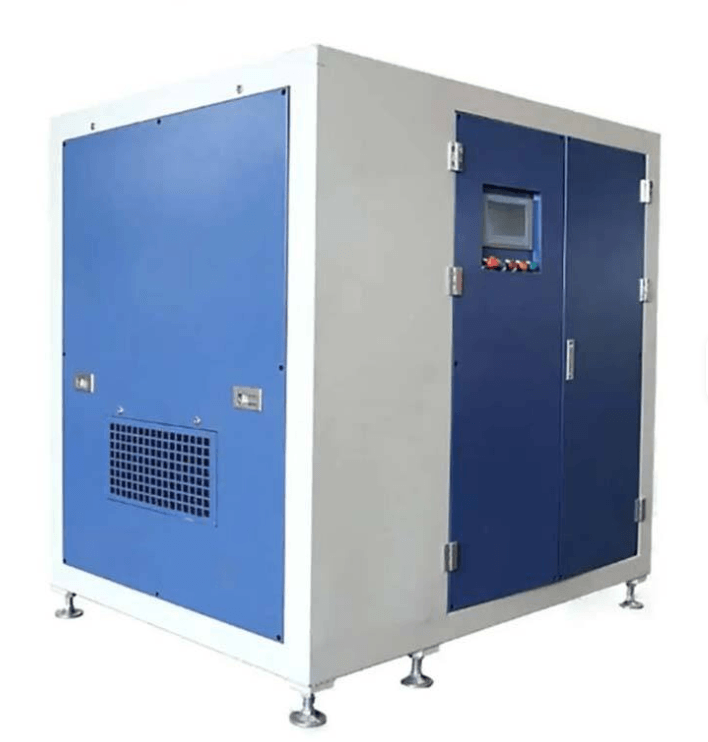
Maglev Turbo Blowers Product Information
Web: http://www.greentechblower.com (Group Web) ‖ http://www.zqblower.cn (Chinese) ‖ http://www.ringblower.cn/ (Ring blower) ‖ http://www.china-blower.com (Roots Blower) ‖ https://www.zibovacuumpump.com (Vacuum Pump)