
Maglev Turbo Blower Installation Checklist Before Startup
Post time: 2026-08-21 15:10:23
Introduction
Installing a Maglev Turbo Blower is not just about placing the equipment in position and connecting the power. A good installation starts before the blower is switched on. Small issues such as an uneven floor, poor airflow, incorrect piping, or limited maintenance space can create bigger problems later.
This Maglev Turbo Blower installation checklist covers the main points to review before startup. Whether you are preparing a new blower room or replacing an older blower, these simple checks can help make installation smoother and reduce avoidable trouble.
1. Check the Installation Site
Make Sure the Floor Is Level and Stable
The installation area should be flat, solid, and able to support the weight of the equipment. An uneven or unstable foundation can affect equipment stability and may allow vibration from nearby machines to reach the blower.
Before installation, check the floor condition and make sure the equipment can be placed securely. If other heavy machines are operating nearby, it is also important to consider their vibration and how it may affect the Maglev Turbo Blower.
Leave Enough Space Around the Blower
Do not place the blower in a tight corner just to save space. Enough room is needed around the equipment for inspection, cleaning, filter replacement, and maintenance.
A well-planned Maglev blower site preparation also makes daily work easier. Operators should be able to reach important parts of the machine without moving pipes or other equipment.
2. Check the Air Intake and Ventilation
Keep the Intake Air Clean
Clean intake air is important for stable blower operation. The installation area should be free from excessive dust, oil mist, moisture, and other contaminants.
If the air around the blower is dirty, the inlet filter may become blocked faster. This can increase resistance and affect airflow. Before startup, check the intake area and make sure the filter system is installed correctly.
Make Sure Heat Can Leave the Room
Good ventilation is another important part of Maglev Turbo Blower installation requirements. During operation, the equipment and control system produce heat. If the room is too hot, performance may be affected and the electrical components may work under extra stress.
Check the room ventilation, cooling system, and exhaust airflow before the first startup. Avoid placing the blower in a closed area with poor air circulation.
3. Inspect the Foundation and Equipment Position
Confirm the Equipment Is Properly Positioned
After the blower is placed, check whether it is level and stable. The equipment should not tilt or move easily.
This is also the right time to confirm that the blower is installed in the correct direction and that all service panels can be opened normally.
Keep External Vibration Away
A Maglev Turbo Blower uses high-speed rotating components and a magnetic bearing system. Although the design reduces mechanical contact, the equipment should still be protected from strong outside vibration.
Try to keep the blower away from machines that create heavy vibration. If necessary, use suitable vibration isolation methods based on the actual site conditions.
4. Check the Piping and Connections
Make Sure Pipe Size and Position Are Correct
Before startup, inspect the inlet and discharge piping carefully. The pipe size should match the system design, and the connection points should be properly aligned.
Do not force pipes into position. Poor alignment can place extra stress on the blower connections and may cause problems during long-term operation.
Check the System for Unnecessary Resistance
Too many bends, blocked filters, incorrect valves, or poorly designed piping can increase system resistance. Before commissioning, check whether the airflow path is clear and whether all required valves are in the correct position.
This step is a key part of any industrial blower installation guide. A well-installed blower can still struggle if the connected piping system creates too much pressure loss.
5. Confirm the Power and Control System
Check Electrical Parameters
Before connecting the power, confirm that the voltage, frequency, and other electrical requirements match the blower specifications. Proper grounding is also essential for safe operation.
All cables and connections should be checked before startup. Do not ignore small electrical issues simply because the blower has not started yet.
Test the Control System
The control system should also be ready before the first run. Check the display, alarms, sensors, communication signals, and operating settings.
If the blower will work with a PLC or a plant automation system, confirm that the control signals are working correctly. This can help avoid unexpected problems during commissioning.
6. Complete the Final Pre-Startup Check
Before switching on the blower, take a few minutes to review everything one more time. Check the installation site, foundation, maintenance space, intake air, ventilation, piping, electrical connections, and control system.
This Maglev blower installation checklist before startup may look simple, but it can help prevent many common installation mistakes. A careful start often leads to smoother operation and fewer problems later.
Final Thoughts
If you are learning how to install a Maglev Turbo Blower, remember that good installation begins long before the first startup. Take time to prepare the site, inspect every connection, and make sure the whole system is ready.
A simple checklist can save a lot of time later. Before you start your Maglev Turbo Blower, ask one final question: Is the blower ready, or have you only finished placing it in position?
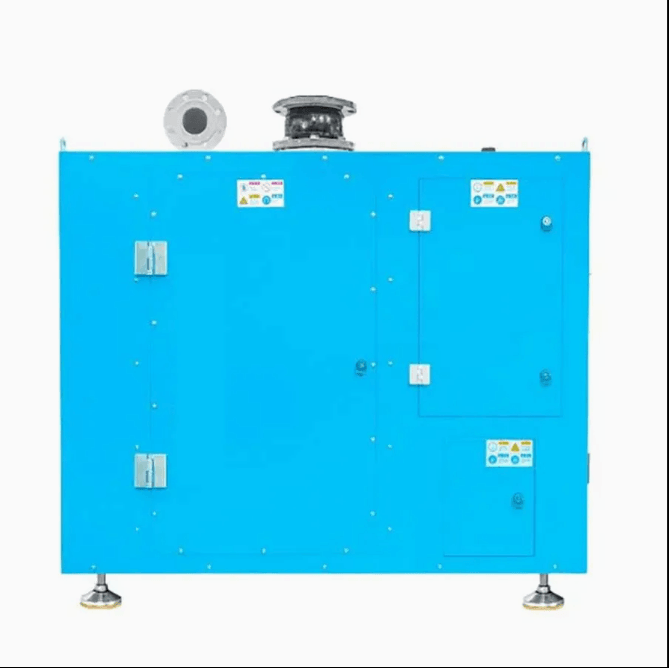
Maglev Turbo Blowers Product Information
Web: http://www.greentechblower.com (Group Web) ‖ http://www.zqblower.cn (Chinese) ‖ http://www.ringblower.cn/ (Ring blower) ‖ http://www.china-blower.com (Roots Blower) ‖ https://www.zibovacuumpump.com (Vacuum Pump)