
Maglev Turbo Blower Maintenance: Daily, Weekly and Monthly Checks
Post time: 2026-08-20 13:54:19
Keep Your Maglev Turbo Blower Running Smoothly
A Maglev Turbo Blower is designed for efficient, high-speed operation with less mechanical wear than traditional blowers. Since it uses magnetic bearings, there is no need for regular oil lubrication or frequent bearing replacement. But low maintenance does not mean no maintenance.
A simple routine can help you catch small problems before they turn into unexpected shutdowns. The key is not to wait for an alarm. Regular checks of temperature, vibration, pressure, current, and air filter condition can give you a clearer picture of how the blower is performing over time.
So, how often should you maintain a Maglev Turbo Blower? The answer depends on operating hours and site conditions, but daily, weekly, and monthly checks are a good starting point.
Daily Checks: Look for Small Changes
Daily maintenance does not need to take a long time. In most cases, operators only need to check the main operating data and make sure the blower sounds and runs normally.
Check Operating Temperature and Pressure
Look at the inlet and outlet conditions, motor temperature, and system pressure. A small change may not always mean there is a problem, but a steady increase over several days is worth checking.
For example, rising temperature may be linked to poor ventilation, high inlet air temperature, or a cooling problem. Higher pressure can also mean increased system resistance.
Watch Vibration and Noise
Magnetic bearing systems are designed for smooth operation. If vibration or noise becomes unusual, do not ignore it. Check the trend and compare it with normal operating data.
The goal is not simply to ask, “Is the value normal today?” A better question is, “Has the value been changing?”
Record Important Data
A daily log is one of the easiest forms of predictive maintenance. Record key data such as temperature, vibration, motor current, pressure, airflow, and operating speed.
Over time, these records can help you spot problems before they cause downtime.
Weekly Checks: Focus on the Air and System Condition
Weekly checks can go a little deeper. This is a good time to inspect the equipment and surrounding system more carefully.
Inspect the Air Filter
Air filter maintenance is an important part of Maglev Turbo Blower maintenance. A dirty or blocked filter increases inlet resistance and can reduce airflow and efficiency.
Check the filter condition regularly. If dust builds up quickly, the maintenance schedule may need to be adjusted for your actual site environment.
Check the Cooling and Ventilation Area
Make sure the blower has enough space for airflow and cooling. Remove dust or debris around air inlets and cooling areas. In hot environments, poor ventilation can affect performance and increase the temperature of electrical components.
Also check the cooling fans and make sure they are operating normally.
Review Alarm History
Do not only respond to active alarms. Review recent alarm records and repeated warnings. A small warning that appears several times may be an early sign of a developing issue.
Monthly Checks: Review Performance Trends
Monthly maintenance is a good time to look at the bigger picture. Compare recent operating data with previous records.
Compare Energy and Performance
Has the blower started using more power to produce the same airflow? Has system pressure changed? Has vibration slowly increased?
These changes can point to issues such as a dirty air filter, airflow restriction, impeller fouling, or changes in the process system.
A Maglev Turbo Blower may continue running even when performance starts to decline. That is why trend monitoring is so useful.
Check the Control System
Inspect the control cabinet and make sure the display, sensors, cables, and connections are working properly. Look for repeated warnings or unusual operating values.
For a magnetic bearing blower, the control system plays an important role in monitoring rotor position and protecting the equipment. Keeping the system clean and stable helps support reliable operation.
Yearly Maintenance: Plan Ahead
A yearly inspection should include a more complete review of the blower and its operating history. Check major electrical components, sensors, cooling parts, safety functions, and overall system performance according to the manufacturer’s recommendations.
This is also a good time to review your preventive maintenance checklist. If the blower operates in a dusty, hot, or demanding environment, daily and monthly tasks may need to be more frequent.
Maintenance Is About Trends, Not Just Single Numbers
The best Maglev Turbo Blower maintenance schedule is not simply a list of tasks. It is a way to understand how your equipment changes over time.
A temperature reading may look normal today, but if it has increased every week, something may be changing. The same is true for vibration, motor current, pressure, and airflow.
Start with simple daily checks, inspect key components every week, and review performance trends every month. This routine maintenance approach can help reduce unexpected shutdowns, improve reliability, and support a longer service life.
How often do you inspect your Maglev Turbo Blower? If you are still relying only on alarms, it may be time to build a simple preventive maintenance checklist before the next small issue becomes a costly shutdown.
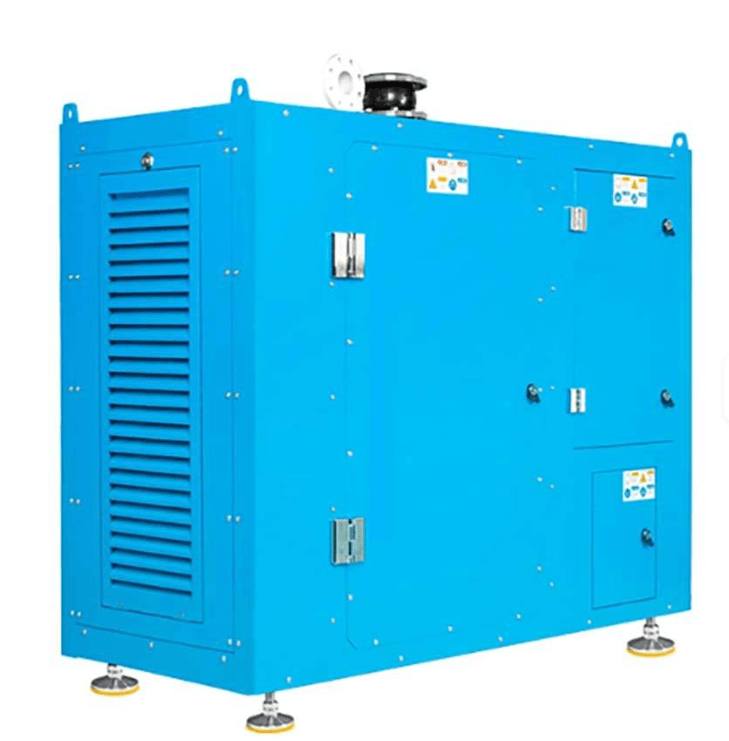
Maglev Turbo Blowers Product Information
Web: http://www.greentechblower.com (Group Web) ‖ http://www.zqblower.cn (Chinese) ‖ http://www.ringblower.cn/ (Ring blower) ‖ http://www.china-blower.com (Roots Blower) ‖ https://www.zibovacuumpump.com (Vacuum Pump)