
Maglev Turbo Blower for Better Factory Air Quality
Post time: 2026-08-11 10:28:37
Why Factory Air Quality Matters
Good air quality is easy to overlook in a busy factory. Machines are running, workers are moving around, and production lines may operate for 24 hours a day. But when dust, heat, fumes, moisture, or stale air builds up, the working environment can quickly become uncomfortable.
Poor ventilation can also affect production equipment. Excess heat and moisture may increase equipment stress, while airborne particles can enter sensitive machines and shorten service life. For factories that need stable airflow, choosing the right blower is an important part of an effective ventilation system.
This is where a maglev turbo blower can make a real difference. With high-speed operation, magnetic bearing technology, and variable-speed control, it can provide a steady supply of clean and efficient airflow without relying on traditional mechanical bearings.
How a Maglev Turbo Blower Improves Factory Air Quality
Stable Airflow for Better Ventilation
Factory ventilation is not simply about moving as much air as possible. The airflow needs to match the actual needs of the production area.
A maglev turbo blower can adjust its operating speed through variable frequency control. When demand is high, it can provide more airflow. When demand drops, the blower can slow down instead of running at full capacity all the time.
This helps maintain more stable ventilation while avoiding unnecessary energy use. For large workshops, this can be especially useful in areas where heat, fumes, or moisture need to be removed continuously.
Supporting Cleaner Working Environments
In manufacturing facilities, local ventilation systems are often used to remove unwanted heat, moisture, dust, and process air. A reliable blower keeps these systems working consistently.
Unlike a basic fan that may provide uneven airflow, an industrial turbo blower can deliver controlled air pressure and flow for demanding ventilation applications. When properly matched with filters, ducts, and exhaust equipment, it can help improve overall air movement inside the factory.
The result is simple: less stagnant air and better control of the factory environment.
Why Magnetic Bearing Technology Matters
Less Mechanical Contact
One of the key differences between a maglev turbo blower and a traditional blower is its bearing system. Magnetic bearings support the high-speed rotor without direct mechanical contact.
That means there is no normal bearing-to-shaft contact during operation. This greatly reduces mechanical friction and eliminates the need for traditional bearing lubrication.
For factories, this can mean fewer maintenance tasks and less risk of oil contamination around the blower system.
Oil-Free Operation
Oil-free operation is another useful feature for factories that care about air cleanliness.
Traditional equipment using lubricated mechanical components may require regular oil maintenance. A magnetic bearing turbo blower does not need conventional bearing lubrication, making it a better fit for applications where clean airflow and a low-maintenance system are important.
This can be particularly attractive in food processing, electronics, pharmaceutical, packaging, and other production environments where contamination control matters.
Energy Efficiency and Factory Sustainability
Improving air quality does not have to mean higher energy costs.
A major advantage of a maglev turbo blower is its energy-efficient operation. The combination of magnetic bearings, high-speed motors, direct-drive technology, and variable-speed control helps reduce energy losses.
For a factory operating blowers for thousands of hours every year, even a small improvement in efficiency can add up to significant electricity savings.
Lower electricity consumption also supports industrial carbon footprint reduction. In other words, improving factory ventilation can support both cleaner working conditions and more sustainable production.
Would your factory benefit more from higher airflow or smarter airflow control? In many cases, the answer is not simply “more air.” It is the right amount of air at the right time.
Where Maglev Turbo Blowers Can Be Used
Maglev turbo blowers can support air movement and ventilation systems in many industrial environments, including:
Manufacturing Plants
They can help remove excess heat and maintain stable airflow around production equipment.
Food and Packaging Facilities
Oil-free operation can be useful where clean production conditions are important.
Chemical and Process Industries
Continuous airflow can support ventilation and process air requirements in demanding environments.
Wastewater Treatment Plants
Efficient blowers can provide the air needed for aeration while helping control energy consumption.
A Smarter Way to Improve Factory Air
Factory air quality depends on more than ventilation equipment alone. Duct design, filtration, exhaust systems, airflow requirements, and regular maintenance all play important roles.
However, the blower is still one of the key components of the system. A maglev turbo blower offers a combination of stable airflow, oil-free operation, low mechanical wear, and energy-efficient control.
For factories looking to improve working conditions while also reducing operating costs and carbon emissions, it can be a practical upgrade to consider.
Cleaner air, smarter airflow, and lower energy use can go hand in hand. The real question is: is your current blower system helping your factory achieve all three?
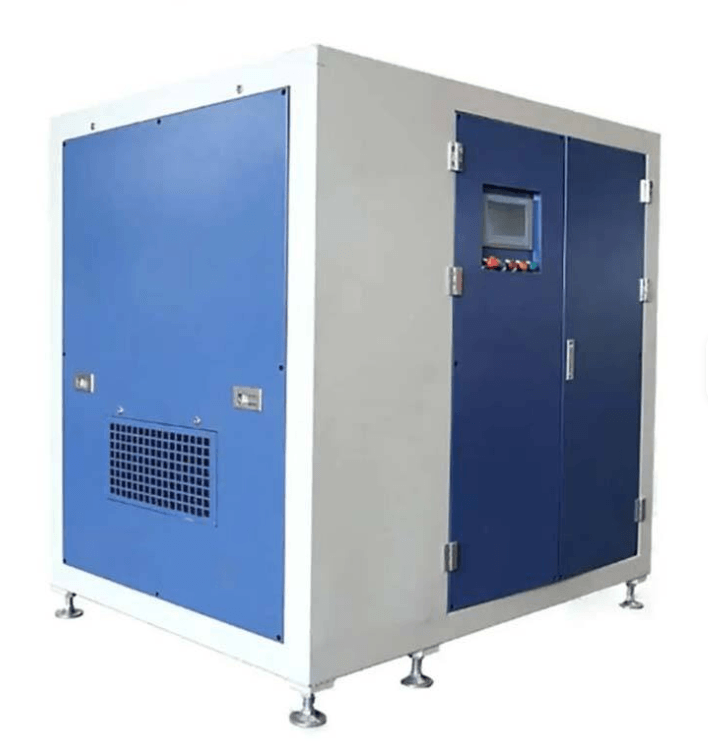
Maglev Turbo Blowers Product Information
Web: http://www.greentechblower.com (Group Web) ‖ http://www.zqblower.cn (Chinese) ‖ http://www.ringblower.cn/ (Ring blower) ‖ http://www.china-blower.com (Roots Blower)