
Magnetic Bearing Maintenance Tips for Maglev Turbo Blowers
Post time: 2026-06-30 13:46:11
Maglev turbo blowers are known for high efficiency, low noise, and oil-free operation. But as more units run for years in wastewater treatment and industrial plants, users are paying more attention to magnetic bearing maintenance and fault diagnosis. Understanding how to monitor and maintain magnetic bearings can help avoid unexpected shutdowns and reduce maintenance costs.
How Magnetic Bearings Work in Maglev Turbo Blowers
Understanding Active Magnetic Bearing Technology
Unlike traditional bearings, magnetic bearings support the rotor without physical contact. Sensors continuously detect rotor position, while the control system adjusts the magnetic force in real time. This design reduces friction, minimizes wear, and improves energy efficiency. However, because the system depends heavily on sensors and controllers, regular monitoring is very important.
Why Rotor Position Monitoring Matters
Detecting Rotor Movement Early
Rotor position monitoring in maglev blowers is one of the most important maintenance tasks. Small changes in rotor position may indicate imbalance, sensor problems, or system instability. Modern controllers can provide real-time data and alarm records, helping operators identify problems before they become serious failures.
How to Identify Magnetic Bearing Alarms
Common Warning Signals to Watch
Magnetic bearing alarm troubleshooting starts with understanding the warning signals. Common alarms may include rotor displacement, sensor communication errors, excessive vibration, or backup bearing activation. Operators should regularly review alarm history and investigate recurring warnings instead of simply resetting them.
Checking Backup Bearings Regularly
Your Last Line of Protection
Although backup bearings rarely operate during normal conditions, they protect the machine during emergency events. Regular inspection of backup bearings helps ensure they remain in good condition if magnetic suspension is temporarily lost. Wear, corrosion, and lubrication status should all be checked during maintenance periods.
Using Predictive Maintenance for Better Reliability
Prevent Problems Before They Happen
Predictive maintenance for maglev turbo blowers is becoming increasingly popular. By monitoring vibration trends, rotor position data, temperature changes, and controller performance, operators can detect early signs of failure and schedule maintenance before unexpected downtime occurs. This approach improves reliability while reducing repair costs.
Magnetic bearing maintenance is no longer just a repair task. With proper monitoring, alarm analysis, and predictive maintenance strategies, maglev turbo blowers can continue operating safely and efficiently for many years.
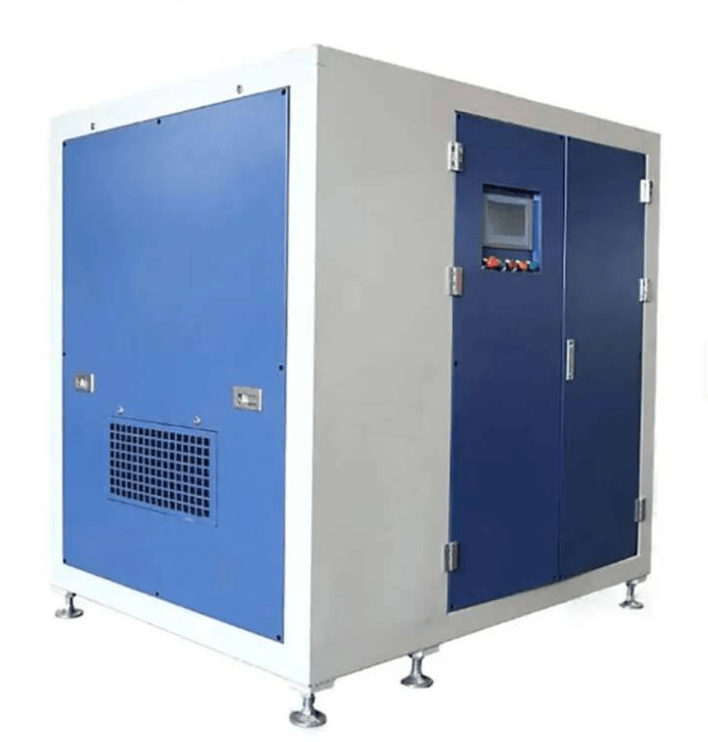
Maglev Turbo Blowers Product Information
Web: http://www.greentechblower.com (Group Web) ‖ http://www.zqblower.cn (Chinese) ‖ http://www.ringblower.cn/ (Ring blower) ‖ http://www.china-blower.com (Roots Blower)