
Common Fault Handling Tips for M Roots Blowers
Post time: 2026-07-14 11:53:08
M Roots blowers are widely used in industries such as wastewater treatment, pneumatic conveying, cement, chemical processing, and power generation. With advantages including compact structure, stable gas delivery, and convenient maintenance, they have become important equipment in many industrial applications. However, during long-term operation, problems such as abnormal pressure, high temperature, and increased noise may occur due to operating conditions, improper operation, and component wear. Understanding common faults and troubleshooting methods is essential for ensuring continuous and stable production.
1. Solutions for Insufficient Air Volume
1. Check the Air Intake System
When the M Roots blower has reduced air volume, the air intake system should be inspected first. A clogged air filter or increased resistance in the intake pipeline can reduce the amount of air entering the blower and affect output performance.
The air filter should be cleaned or replaced regularly. At the same time, check the intake pipeline for deformation or blockage to ensure smooth airflow.
2. Check Rotor Clearance
Roots blowers rely on proper clearance between rotors to transport gas. Excessive clearance can cause gas leakage inside the chamber and reduce airflow.
Maintenance personnel should inspect rotor wear and adjust the clearance according to equipment requirements. Severely worn rotors should be repaired or replaced in time.
2. Causes and Solutions for High Operating Temperature
1. Inspect the Lubrication System
Insufficient lubrication is one of the main causes of excessive temperature rise in M Roots blowers. Low oil level, deteriorated lubricant, or blocked oil passages can increase mechanical resistance.
Check whether the oil level is normal and replace the lubricant according to the maintenance schedule. Keep the lubrication system clean to prevent impurities from entering the equipment.
2. Check Operating Pressure
If the blower operates under excessive load for a long time, high internal pressure can increase motor load and cause overheating.
Operators should check whether the outlet pressure exceeds the rated range and adjust operating parameters to prevent continuous overload operation.
3. Handling Abnormal Noise and Vibration
1. Check Bearing Conditions
Abnormal sounds during operation may be related to bearing damage. After long-term high-speed operation, bearings may experience wear and increased clearance.
The bearing condition can be evaluated through sound and temperature checks. Damaged bearings should be replaced promptly to prevent further equipment failure.
2. Inspect Coupling and Foundation
Excessive vibration may result from coupling misalignment, loose foundation bolts, or uneven installation.
During maintenance, the coupling alignment should be corrected, the foundation should be inspected, and loose components should be tightened.
4. Solutions for Oil Leakage Problems
1. Check Seal Conditions
Oil leakage in Roots blowers is often caused by aging seals or improper installation.
Inspect shaft seals, oil tank connections, and related interfaces. Replace worn sealing components to maintain proper sealing performance.
2. Control Lubricant Quantity
Excessive lubricant can also cause oil leakage. Too much oil may increase internal pressure and force oil out through sealing areas.
Therefore, lubricant should be added according to equipment standards to avoid unnecessary failures.
5. Daily Maintenance to Reduce Failures
1. Establish Regular Inspection Procedures
Stable operation of M Roots blowers depends on proper maintenance. Daily inspections should include lubrication condition, operating noise, motor current, temperature, and pressure changes.
Recording operating data helps identify abnormal conditions early and reduce unexpected shutdowns.
2. Maintain a Proper Operating Environment
The installation environment also affects service life. Excessive dust and poor ventilation can accelerate filter blockage and reduce heat dissipation.
Keeping the surrounding area clean and maintaining good ventilation can improve equipment reliability.
Conclusion
Although M Roots blowers have a reliable structure, problems such as reduced airflow, high temperature, abnormal noise, and oil leakage may still occur during operation. Proper fault analysis and targeted solutions can effectively extend equipment service life. Regular maintenance and correct operation help improve efficiency and provide stable support for industrial production.
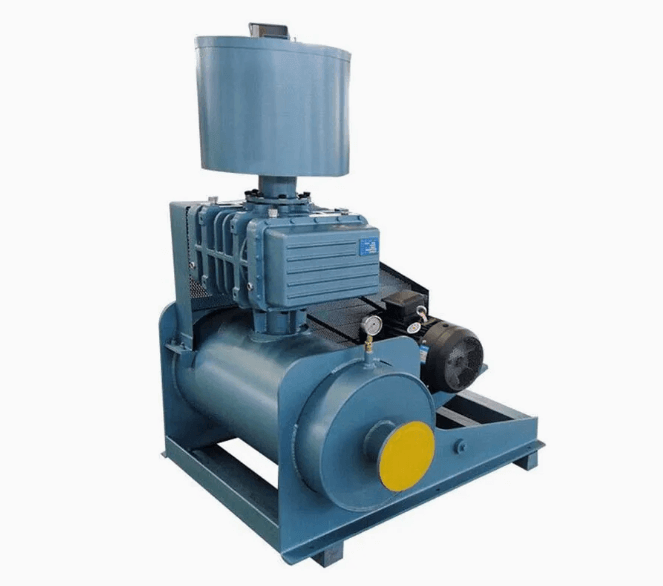
Roots Blower Product Information
Web: http://www.greentechblower.com (Group Web) ‖ http://www.zqblower.cn (Chinese) ‖ http://www.ringblower.cn/ (Ring blower) ‖ http://www.china-blower.com (Roots Blower)