
Performance Retesting Methods for M-Series Roots Blowers After Long-Term Operation
Post time: 2026-11-03 13:40:25
M-Series Roots blowers are widely used in wastewater treatment, cement production, pneumatic conveying, chemical processing, and industrial air supply systems. After prolonged continuous operation, factors such as component wear, reduced sealing performance, changes in pipeline resistance, and operating conditions may cause reduced airflow, pressure fluctuations, and increased energy consumption. To ensure stable and reliable operation, regular performance retesting is essential.
How should M-Series Roots blowers be retested after long-term operation? This article introduces the main inspection items, testing methods, and precautions.
1. Preparations Before Performance Retesting
1.1 Inspect the Operating Condition of the Equipment
Before conducting performance retesting, inspect the overall condition of the blower, including the main casing, inlet and outlet pipelines, flange connections, transmission components, and electrical control system.
Pay particular attention to air leaks, abnormal vibrations, unusual noises, and oil leakage. Ensure that the equipment is in a suitable condition for testing.
1.2 Prepare Testing Instruments
Professional measuring instruments are required for performance retesting, including pressure gauges, flow meters, thermometers, speed measuring instruments, ammeters, and vibration analyzers.
All instruments should be properly calibrated to ensure accurate and reliable measurements. Record the equipment model, rated airflow, rated pressure, rated speed, and motor power as reference values for subsequent comparisons.
2. Main Performance Retesting Items for M-Series Roots Blowers
2.1 Airflow Testing
Airflow is one of the most important indicators of Roots blower performance. After long-term operation, increased rotor clearances, reduced sealing performance, or clogged air intake filters may cause a reduction in actual airflow.
During testing, use a flow meter to measure the actual airflow under stable operating conditions. Compare the results with the factory specifications and historical operating data to determine whether airflow has significantly decreased.
2.2 Pressure Testing
Pressure testing helps determine whether the blower can meet the air supply requirements of the system. By measuring the blower outlet pressure and considering pipeline resistance, it is possible to assess whether insufficient pressure is caused by equipment performance degradation.
During testing, maintain stable operating conditions and avoid frequent valve adjustments that could affect the measurement results.
2.3 Temperature and Vibration Testing
Long-term operation may cause wear in bearings, gears, rotors, and other components, potentially resulting in increased temperature and abnormal vibration.
During retesting, measure the temperature of the bearing areas, lubrication system, and blower casing. Use a vibration analyzer to measure operating vibration levels. If temperatures continue to rise or vibration increases significantly, further inspection of the bearings, gear engagement, and rotor operating condition is necessary.
2.4 Motor Power and Energy Consumption Testing
By measuring motor current, voltage, and input power, operators can evaluate the actual energy consumption of the equipment.
If motor power increases significantly under the same airflow and pressure conditions, possible causes include increased internal friction, higher pipeline resistance, or changes in operating conditions.
3. How to Determine Whether M-Series Roots Blower Performance Has Declined
3.1 Compare Factory Specifications with Historical Data
Compare the newly measured airflow, pressure, temperature, vibration, and power consumption with the factory inspection report and historical operating records.
If several indicators change significantly at the same time, the equipment may be experiencing performance degradation and requires further inspection.
3.2 Inspect Key Components for Wear
Focus on the rotors, bearings, gears, seals, and timing gear housing. If necessary, shut down the equipment for disassembly and inspection. Measure rotor clearances and the dimensions of relevant components to determine whether they exceed the allowable limits specified by the manufacturer.
4. Maintenance and Optimization Recommendations After Performance Retesting
4.1 Address Abnormal Conditions Promptly
For problems such as clogged filters, pipeline leaks, and insufficient lubrication, perform cleaning, repairs, or lubrication as required.
If components such as rotors and bearings are seriously worn, repair or replace them according to the equipment manufacturer's technical requirements.
4.2 Establish Regular Performance Inspection Records
It is recommended that companies establish operating and maintenance records for M-Series Roots blowers. Regularly document airflow, pressure, temperature, vibration, and energy consumption.
By analyzing long-term operating trends, potential performance changes can be identified early, allowing maintenance activities to be scheduled more effectively.
5. Conclusion
Performance retesting of M-Series Roots blowers after long-term operation mainly involves airflow, pressure, temperature, vibration, and motor power measurements.
Through professional instrument testing, historical data comparisons, and inspections of key components, operators can accurately assess the current operating condition of the equipment and identify potential faults in a timely manner.
Regular performance retesting and preventive maintenance can extend equipment service life, reduce energy consumption, and ensure the stable operation of industrial production systems.
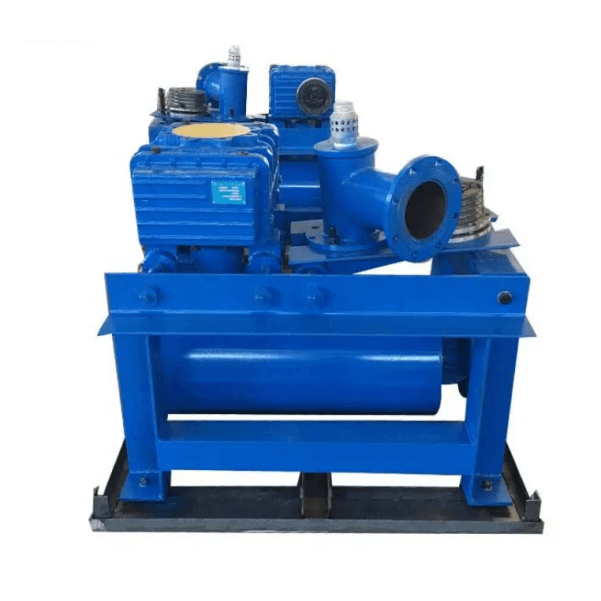
Roots Blower Product Information
Web: http://www.greentechblower.com (Group Web) ‖ http://www.zqblower.cn (Chinese) ‖ http://www.ringblower.cn/ (Ring blower) ‖ http://www.china-blower.com (Roots Blower) ‖ https://www.zibovacuumpump.com (Vacuum Pump)