
What Are the Effects of Changes in Internal Clearances in M-Series Roots Blowers?
Post time: 2026-10-28 13:56:40
M-series Roots blowers are widely used in wastewater treatment, cement conveying, pneumatic conveying, chemical processing, and other industries. During operation, appropriate clearances must be maintained between the rotors, between the rotors and the casing, and between the rotors and the end plates. These clearances affect not only operating efficiency but also temperature rise, noise, vibration, and service life. What happens when the internal clearances of an M-series Roots blower change?
1. The Role of Internal Clearances in M-Series Roots Blowers
1.1 Ensuring Normal Rotor Operation
M-series Roots blowers transport and compress gas through the rotation of two intermeshing rotors that do not normally make direct contact. Proper rotor clearances prevent mechanical friction during operation and help maintain stable rotor alignment and coordination.
If the clearances are too small, thermal expansion, bearing wear, or shaft misalignment may cause rotor contact, friction, or even seizure. If the clearances are too large, gas leakage may increase, reducing equipment performance.
1.2 Reducing Internal Gas Leakage
Roots blowers are positive-displacement machines. Although their rotors do not normally contact each other, internal clearances affect the amount of gas that leaks from high-pressure areas to low-pressure areas. Excessive clearances can increase internal leakage and reduce the effective airflow, potentially affecting system performance.
2. Main Effects of Changes in Internal Clearances
2.1 Increased Clearances: Reduced Airflow and Higher Energy Consumption
As equipment operates over time, bearing wear, rotor wear, and changes in assembly conditions may cause internal clearances to increase. This can intensify internal gas leakage and reduce the actual airflow delivered by the blower.
If the system still needs to meet its original air supply requirements, the equipment may need to operate under a higher load, increasing energy consumption per unit of effective airflow. A significant reduction in airflow may also affect wastewater aeration, pneumatic conveying, and other production processes.
2.2 Excessively Small Clearances: Increased Friction and Temperature Rise
If internal clearances fall below the specified design range, the rotating components may come into contact because of thermal expansion, bearing abnormalities, or installation errors. Mechanical friction generates additional heat and may cause abnormal noise, vibration, and component damage.
In severe cases, the rotors may seize, resulting in equipment shutdown. Therefore, clearances should not simply be reduced to minimize leakage. They must remain within the range specified by the manufacturer.
2.3 Uneven Clearances: Increased Vibration and Reduced Operating Stability
Uneven clearances between the rotors and the casing may indicate incorrect rotor positioning, bearing wear, shaft misalignment, or insufficient assembly accuracy. Such unevenness can increase localized gas leakage and raise the risk of rotor contact.
Meanwhile, vibration and noise may intensify, placing additional loads on bearings and related components. Prolonged operation under these conditions can reduce the reliability of the entire unit.
3. How to Control Internal Clearances in M-Series Roots Blowers
3.1 Regularly Inspect Bearings and Rotors
During routine maintenance, monitor equipment vibration, noise, temperature, and airflow. If airflow decreases, temperature rises abnormally, or friction sounds occur, inspect the bearings, rotors, and associated drive components promptly to identify the cause of clearance changes.
3.2 Adjust Clearances According to Technical Specifications
Clearance adjustment must follow the requirements for the specific model, rotor design, and manufacturer specifications. During maintenance, use appropriate measuring tools to check the clearances between the rotors, between the rotors and the casing, and between the rotors and the end plates. Avoid making adjustments based solely on experience.
Bearings, gears, and the shaft system should also be inspected to ensure that the underlying cause of the clearance changes is addressed rather than merely correcting the clearances.
3.3 Maintain Proper Lubrication and Perform Routine Maintenance
Although the rotors of a Roots blower generally do not require direct lubrication, bearings, timing gears, and other components must be lubricated and maintained according to equipment requirements. Regularly checking lubricant condition, fasteners, and transmission components helps reduce abnormal wear and maintain stable internal clearances.
4. Conclusion
Changes in the internal clearances of M-series Roots blowers can increase gas leakage, reduce airflow, raise energy consumption, cause abnormal temperature increases, and intensify vibration and noise. Both excessively small and excessively large clearances can impair equipment operation, while uneven clearances may further increase the risk of mechanical failure.
Therefore, businesses should regularly inspect and properly control internal clearances based on operating conditions and manufacturer specifications to improve operating efficiency and extend equipment service life.
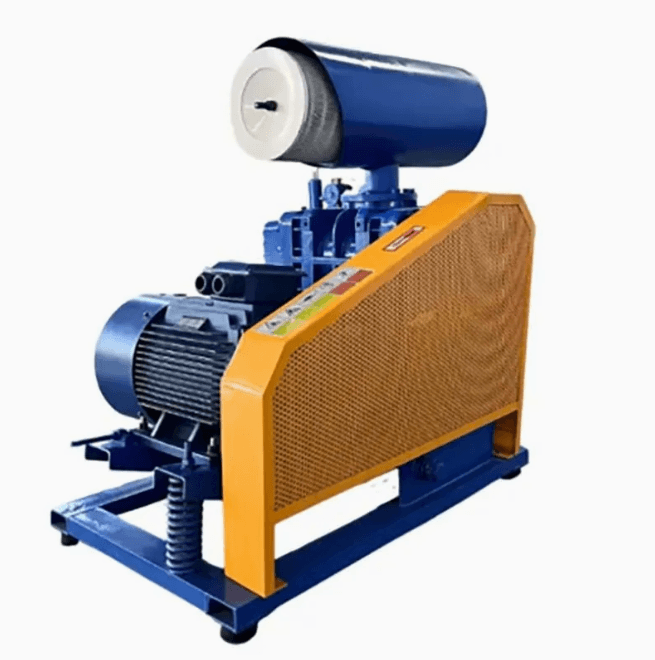
Roots Blower Product Information
Web: http://www.greentechblower.com (Group Web) ‖ http://www.zqblower.cn (Chinese) ‖ http://www.ringblower.cn/ (Ring blower) ‖ http://www.china-blower.com (Roots Blower) ‖ https://www.zibovacuumpump.com (Vacuum Pump)