
How to Reduce Vibration in Air Suspension Blowers
Post time: 2026-08-04 10:36:28
Why Air Suspension Blower Vibration Matters
Air suspension blowers are widely used in wastewater treatment, industrial aeration, ventilation systems, and other applications that require stable and continuous air supply. With high-speed operation and advanced bearing technology, these blowers can provide excellent efficiency and reliability.
However, vibration problems can still happen during operation. When abnormal vibration appears, it is usually a warning sign that something needs attention. Ignoring vibration issues may lead to reduced equipment life, higher maintenance costs, and unexpected system downtime.
Many engineers often ask:
Why is my air suspension blower vibrating?
How can I reduce blower vibration?
What causes abnormal blower vibration?
How can I improve blower reliability?
The key is not only to fix the vibration problem but also to understand the root cause and prevent future failures.
Find the Source of Vibration First
Check Rotor Balance and Impeller Condition
One of the most common causes of blower vibration is rotor imbalance. Since air suspension blowers operate at high speed, even a small imbalance can create noticeable vibration.
Dust accumulation, damaged impellers, or long-term operation may affect the balance of rotating components. A poorly balanced rotor can increase vibration, reduce efficiency, and put extra stress on internal parts.
Regular inspection and dynamic balancing of the impeller can help maintain smooth operation and extend equipment service life.
Inspect Installation and Foundation Conditions
Sometimes, the vibration does not come from the blower itself but from incorrect installation.
An unstable foundation, loose bolts, improper alignment, or excessive pipeline stress can transfer additional vibration to the equipment.
To reduce these problems, engineers should check:
Foundation stability
Equipment leveling
Bolt tightness
Pipeline connection condition
A correct installation process creates a better operating environment and helps prevent unnecessary vibration.
Analyze the Causes Behind Blower Vibration
Air Bearing and Control System Problems
Air suspension blowers use air bearing technology to support high-speed rotation. If the air bearing system does not work properly, the rotor position may become unstable, causing abnormal vibration.
Possible causes include:
Insufficient air supply
Control parameter errors
Sensor signal problems
Unstable operating conditions
Regular monitoring of operating data, rotor position, and control system performance can help identify problems before they become serious failures.
Operating Conditions and System Changes
Changes in working conditions can also affect blower stability. For example, sudden pressure changes, blocked air filters, or incorrect airflow requirements may increase vibration.
A blower should always operate within its designed working range. Proper airflow adjustment and system optimization can improve performance and reduce unnecessary stress.
Apply Effective Solutions to Reduce Vibration
Perform Regular Vibration Analysis
Vibration analysis is one of the most effective ways to monitor industrial blower health.
By checking vibration levels regularly, operators can detect early signs of:
Rotor imbalance
Bearing issues
Mechanical problems
Performance changes
Early detection allows maintenance teams to solve problems before equipment failure occurs.
Maintain Clean Air Intake
The air intake system plays an important role in air suspension blower performance. A blocked or dirty filter can reduce airflow quality and affect bearing stability.
Regular air filter inspection and replacement help maintain stable operation and reduce vibration risks.
Use Smart Monitoring Technology
Modern air suspension blowers can be equipped with intelligent monitoring systems that track vibration, temperature, speed, and operating conditions in real time.
These systems help operators understand equipment performance and provide early warnings when abnormal conditions appear. Predictive maintenance can reduce downtime and improve overall reliability.
Prevent Future Vibration Problems
Reducing vibration is not only about solving current problems. A complete maintenance strategy should focus on prevention.
A good vibration prevention plan includes:
Regular equipment inspection
Proper installation checks
Clean air supply management
Operating condition monitoring
Scheduled maintenance
When vibration sources are identified early and the correct solutions are applied, air suspension blowers can achieve longer service life, lower maintenance costs, and more stable performance.
For industrial users, reducing blower vibration means more than protecting the equipment. It also helps improve system efficiency, reduce unexpected downtime, and create a more reliable air supply solution.
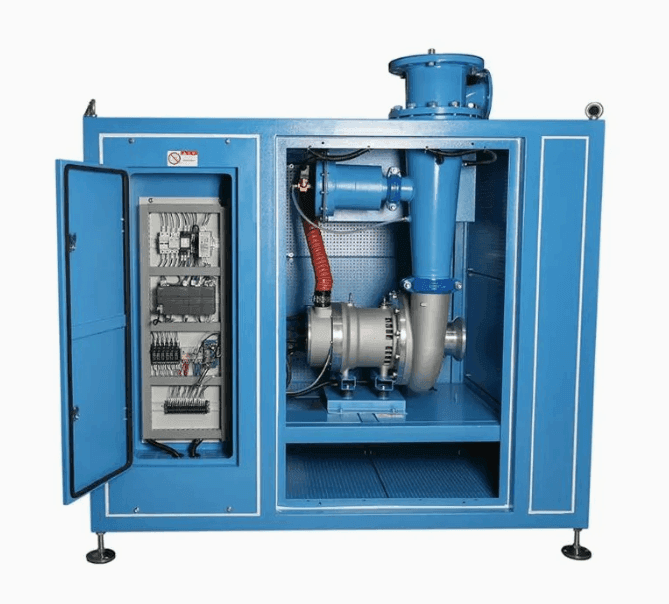
Air Suspension Blowers Product Information
Web: http://www.greentechblower.com (Group Web) ‖ http://www.zqblower.cn (Chinese) ‖ http://www.ringblower.cn/ (Ring blower) ‖ http://www.china-blower.com (Roots Blower)