
Air Suspension Centrifugal Blowers Support Efficiency Improvements in Wastewater Treatment and Promo
Post time: 2026-11-05 13:11:59
With ongoing urbanization and the continued expansion of industrial production, the demand for treating municipal sewage and industrial wastewater is steadily increasing. Wastewater treatment plants must not only ensure that effluent quality consistently meets discharge standards but also manage operating costs, energy consumption, and daily maintenance efficiency. Biological aeration is a critical stage in wastewater treatment, and the performance of blower equipment directly affects microbial treatment processes and the overall efficiency of wastewater treatment systems.
In recent years, air suspension centrifugal blowers have increasingly been adopted in municipal wastewater treatment plants, industrial wastewater treatment stations, and various wastewater treatment projects. They provide an additional option for aeration system upgrades and energy-efficient wastewater treatment operations.
1. Main Applications of Air Suspension Centrifugal Blowers in Wastewater Treatment
1. Biological Tank Aeration: Meeting the Oxygen Requirements of Microorganisms
In wastewater treatment plants using activated sludge, A/O, A²/O, and other biological treatment processes, biological treatment is an essential stage for removing organic pollutants from wastewater. Microorganisms require an adequate oxygen supply to maintain normal metabolic activity. Therefore, wastewater treatment plants typically use blowers to continuously deliver air into aeration tanks.
Air suspension centrifugal blowers can serve as the air supply equipment in aeration systems. Air is delivered through pipelines to bottom-mounted diffusers and released into the wastewater as bubbles, allowing oxygen to transfer into the mixed liquor and supporting the microbial decomposition of organic pollutants.
During actual operation, wastewater volume, water quality, and pollutant concentrations may fluctuate over time, resulting in changing oxygen demands in biological treatment tanks. By properly configuring air suspension centrifugal blowers and integrating them with dissolved oxygen monitoring and aeration control systems, wastewater treatment plants can adjust air supply according to actual treatment requirements. This helps reduce problems associated with insufficient or excessive aeration.
2. Industrial Wastewater Treatment: Meeting the Needs of Different Industries
Compared with municipal sewage, industrial wastewater often has more complex and varied characteristics. Wastewater from different industries may contain high concentrations of organic pollutants, experience significant flow fluctuations, or impose changing treatment loads.
For example, in chemical manufacturing, food processing, pharmaceutical production, and industrial park wastewater treatment projects, certain biological treatment processes require continuous oxygen supply to maintain microbial activity and promote pollutant degradation. Air suspension centrifugal blowers can provide the required airflow and pressure for these aeration systems according to specific process requirements.
For industrial wastewater treatment facilities that operate continuously, selecting appropriate blower equipment helps maintain a stable air supply and creates opportunities to reduce long-term operating costs. Equipment selection should consider wastewater characteristics, treatment processes, required airflow, and pipeline resistance to ensure compatibility with actual operating conditions.
3. Wastewater Treatment Plant Upgrades: Optimizing Existing Aeration Systems
Some wastewater treatment plants built in earlier years require facility upgrades as treatment capacity expands and discharge requirements become more stringent. Replacing or upgrading aeration blowers is an important aspect of these improvement projects.
During renovation projects, air suspension centrifugal blowers can be used to replace certain traditional Roots blowers or conventional centrifugal blowers. However, upgrading the equipment involves more than simply replacing the blower. Existing air pipelines, diffusers, valves, and control systems must also be evaluated to ensure compatibility with the new equipment.
According to relevant engineering application information published by Water Industry Market Network, one wastewater treatment plant replaced its existing multistage centrifugal blowers with air suspension high-speed centrifugal blowers. While maintaining compliant effluent quality, the biological aeration system achieved approximately 35% energy savings. This case demonstrates that, under suitable operating conditions, reasonable equipment upgrades and operational optimization can help wastewater treatment plants reduce energy consumption in aeration processes.
2. Practical Benefits of Air Suspension Centrifugal Blowers for Wastewater Treatment Operations
1. Reducing Energy Consumption in Aeration Processes
Blower aeration typically operates for extended periods and represents an important component of energy management in wastewater treatment plants. For large facilities with long operating hours, blower efficiency has a continuous impact on overall electricity costs.
When applied under suitable aeration conditions, air suspension centrifugal blowers can help reduce unnecessary energy consumption by optimizing air supply efficiency and adjusting operating parameters. In particular, when wastewater treatment plants carry out energy-saving upgrades, matching blower selection and operation to actual oxygen demand can improve the overall energy efficiency of the system.
It should be noted that actual energy savings depend on several factors, including the efficiency of existing equipment, wastewater loading, aeration system design, and electricity prices. The actual results should be evaluated using operational data collected before and after the upgrade.
2. Improving the Operating Environment and Reducing Maintenance Pressure
Wastewater treatment plants generally have dedicated blower rooms. Continuous equipment operation places requirements on noise control, routine inspections, and maintenance management.
In suitable projects, air suspension centrifugal blowers can help improve the equipment operating environment and reduce certain maintenance tasks associated with traditional mechanical structures. For wastewater treatment facilities requiring continuous operation, regular inspections, filter maintenance, and equipment condition monitoring help identify potential problems promptly and reduce the risk of unplanned downtime.
In addition, equipment replacement projects should consider ventilation, sound insulation, heat dissipation, and maintenance space in the blower room to ensure long-term stable operation.
3. Improving Wastewater Treatment Efficiency Through Intelligent Aeration Management
As wastewater treatment plants move toward digital operations, relying solely on fixed airflow settings is becoming less suitable for precise management under varying operating conditions.
Air suspension centrifugal blowers can work together with dissolved oxygen meters, flow meters, pressure sensors, and automatic control systems. Operators can adjust blower parameters based on dissolved oxygen levels, influent water quality, and treatment loads, allowing oxygen supply to better match actual requirements.
This approach helps reduce energy waste caused by excessive aeration while preventing insufficient oxygen supply from affecting microbial treatment performance. For large wastewater treatment plants, coordination between equipment and control systems is an important factor in achieving energy savings and stable effluent quality.
3. Selection and Application Considerations for Wastewater Treatment Projects
1. Selecting Equipment According to Treatment Capacity and Process Requirements
Different wastewater treatment plants vary in daily treatment capacity, biological treatment processes, aeration depth, and pipeline resistance. Therefore, blower suitability should not be determined solely by motor power.
During project design, key factors should include required airflow, outlet pressure, operating load range, and equipment configuration. These factors should be evaluated together with diffuser performance and overall system resistance. For projects with significant influent load fluctuations, the blower's ability to operate across different load conditions should also be considered.
2. Developing Upgrade Plans Based on Existing Facilities
For wastewater treatment plants that are already operating, blower upgrades must take production continuity into account. Before renovation, the existing equipment's operating data, air supply pipelines, diffuser conditions, and control logic should be investigated. A reasonable construction and equipment changeover plan should then be developed.
Through phased upgrades, operational data comparisons, and on-site commissioning, facilities can evaluate the performance of new equipment while minimizing disruptions to wastewater treatment processes.
3. Establishing Long-Term Performance Evaluation Mechanisms
After equipment installation, wastewater treatment plants should continuously record electricity consumption, airflow, dissolved oxygen levels, effluent quality, and maintenance information. Regular comprehensive evaluations should also be conducted.
Only by ensuring that treatment performance and effluent quality meet applicable standards can operators accurately determine whether the equipment upgrade has achieved its intended objectives and identify opportunities for further operational optimization.
4. Conclusion
From municipal wastewater treatment to industrial wastewater management, and from newly constructed treatment facilities to energy-saving upgrades at existing plants, air suspension centrifugal blowers are attracting increasing attention in biological aeration applications.
For wastewater treatment operators, equipment selection affects not only air supply capacity but also long-term operating costs, maintenance management, and system stability. As wastewater treatment facilities continue to upgrade and demand for refined operational management increases, air suspension centrifugal blowers are expected to play a greater role in suitable aeration applications, supporting energy-efficient operations and consistent compliance with wastewater discharge standards.
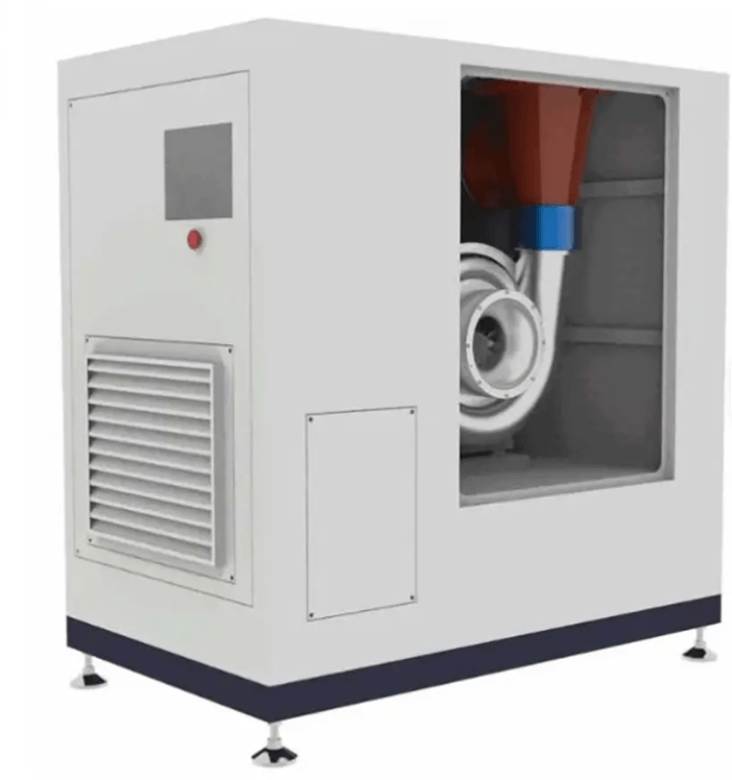
Air Suspension Blowers Product Information
Web: http://www.greentechblower.com (Group Web) ‖ http://www.zqblower.cn (Chinese) ‖ http://www.ringblower.cn/ (Ring blower) ‖ http://www.china-blower.com (Roots Blower) ‖ https://www.zibovacuumpump.com (Vacuum Pump)